ABOUT DISTRICT COUNSELING

Why I Do This Work:
When I was in high school, I lost a close friend to suicide & that loss made me acutely aware — at an age when most people are just figuring out who they are — of how serious mental health struggles can be. It showed me that pain can be invisible. That people can be drowning and no one knows. That the right support, at the right time, from the right person, can genuinely save a life.
That's why I do this work. Not out of obligation or because it's noble. But because I believe every single person deserves an opportunity to find joy, happiness, and peace in this life. And I've seen firsthand how being connected to the right provider can be the difference between struggling alone and actually healing.

Why I Built District Counseling:
After years working inside the social services system, I kept seeing the same pattern: clients bouncing between providers, never really getting their needs met. Too many providers just going through the motions. Too many people falling through the cracks of a system that was supposed to catch them.
Successful outcomes have always been linked to the quality of care a person has access to. So in 2019, I founded District Counseling to change that — to provide care that is both quality and accessible, for the people who deserve nothing less.
Areas We Specialize In:

Anxiety
Anxiety is a normal response to stress which may arise due to pressures at home, work, school, or in any number of relationships. While it is common to feel anxious at times, when anxiety becomes excessive and interferes with work, family life, and one’s happiness, it is time to get help.
Anxiety can be accompanied by physical symptoms such as heart palpitations or chest pains, fatigue, nausea, shortness of breath, stomach or headaches, and poor sleep. Emotional symptoms may include feelings of apprehension or dread, difficulty concentrating, feelings of irritability, restlessness, and constantly watching for signs of danger.
At District Counseling, we work collaboratively to help you understand the roots of your anxiety, identify triggers, and develop tools to manage symptoms effectively. Our approach blends evidence-based techniques and mindfulness practices to promote calm, restore balance, and empower you to face life’s challenges with greater confidence and control.
Trauma
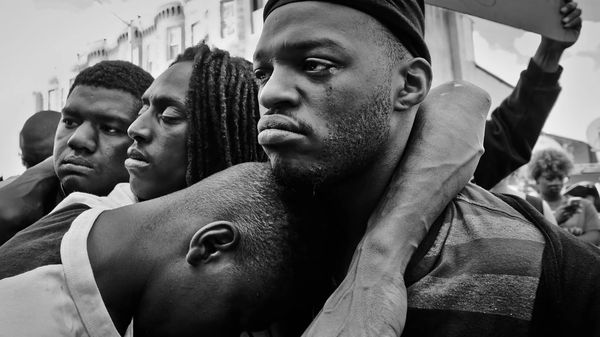
We specialize in treating complex and straightforward posttraumatic stress (PTSD), which can help adult survivors heal from the effects of trauma. Trauma treatment can be helpful if you have experienced extreme stress that has felt overwhelming and made it difficult to cope. Some examples include childhood abuse and neglect, rape, sexual assault, traumatic loss, interpersonal violence, betrayal, reproductive trauma, crime, accidents, and natural disasters.
Our work will generally begin focusing on establishing safety and stabilization of symptoms through skill-building and self-care. We will likely spend the most time in this phase and return to it repeatedly throughout treatment. We will do this work slowly, at a pace that feels safe and tolerable to you.
Depression
Depression can range from times of sadness to lingering and chronic depths of despair. If left untreated, depression can interfere significantly with day-to-day living. If some of the symptoms listed below are affecting you for more than a few weeks, you may benefit from speaking to a therapist:
- fatigue
- low energy
- overwhelming grief and/or sadness
- poor concentration
- difficulty making decisions
- low self-esteem
- feeling worthless, hopeless, or helpless
- disturbed sleeping patterns
- disturbed eating patterns
- anxiety
- avoidance
- loss of interest in activities previously enjoyed
At District Counseling, we provide a safe place to talk, explore and understand contributing factors to depression while helping to develop coping strategies.

Grief
Grief is a difficult, complicated, and emotional response to loss. Grief is a personal experience that may also be expressed outwardly. For some, it may take a long time to come to terms with a loss. Physical and emotional pain can be profound and might occur immediately, or happen much later, possibly even as a response to an unrelated situation.
At District Counseling provides grief counseling to enable clients to understand their grief and help them cope with feelings of loss. If needed, group therapy surrounding grief is encouraged as an additional level of support.
Burnout
Burnout is more than exhaustion — it’s the emotional, physical, and mental depletion that comes from giving too much of yourself for too long. It often shows up as irritability, loss of motivation, fatigue, and a sense of detachment from work or relationships.
At District Counseling, we help clients slow down, identify the sources of burnout, and rebuild from a place of rest and self-awareness. Together, we explore the beliefs and expectations that keep you overextended and create new rhythms that honor both productivity and peace.
Life transitions
Whether joyful, unexpected, or painful — can shake your sense of stability. Adjustment disorders occur when the stress of major life changes begins to interfere with your ability to function day to day.
At District Counseling, we help you navigate these transitions by processing emotions, strengthening coping skills, and regaining a sense of control and balance. Our goal is to help you adapt to change with greater clarity, resilience, and confidence.
Employment Issue
Work can be a major source of purpose — and pressure. Challenges such as job dissatisfaction, workplace conflict, lack of support, or underemployment can affect your confidence, mood, and overall well-being.
District Counseling provides a supportive space to unpack workplace stress, career transitions, and professional identity. We help you clarify goals, set boundaries, and navigate systemic or interpersonal challenges while fostering resilience and a renewed sense of direction.
Relationship Issues
Emotionally fulfilling relationships are central to mental and physical health however; creating and maintaining a healthy relationship can be a challenge with all of today’s life stressors. Communication styles that individuals learned while growing up may influence a couple’s relationship.
At District Counseling, we will work with the couple together and separately to help them resolve conflict, unhappiness, or overcome dissatisfaction in the relationship.
THERAPEUTIC TECHNIQUES

Our Approach to Treatment
No two people have the same experiences. That’s why therapy at District Counseling is never one-size-fits-all.
We draw from a range of evidence-based therapeutic approaches to create a treatment experience that is tailored to you. Rather than relying on a single therapeutic model, we integrate multiple approaches to support your unique needs and goals.
From the very first session, we focus on getting to know you — your history, your strengths, the coping tools you already use, and the goals you want to work toward. Together, we develop a treatment plan that supports meaningful change while respecting your pace and your lived experiences.
At District Counseling, techniques are simply tools. The real focus is you — your growth, your healing, and your ability to move forward with greater clarity and confidence.
Cognitive Behavioral Therapy addresses dysfunctional emotions, maladaptive behaviors and cognitive processes, and contents through several goal-oriented, explicit, systematic procedures.
Narrative Therapy examines the stories that you tell yourself about your own life experiences – your beliefs, your values, your assumptions, your dreams, and your intentions – and the impact those stories have on your life.
Solutions-focused and strength-based therapies help you recognize and identify skills, abilities, beliefs, and social networks that support you in being more of who you want to be.
Person-Centered Therapy is based on the view that everyone has the capacity and desire for personal growth and change, given the right conditions. You’ll be encouraged to bring your own issues to the session – the counseling is led by you and not directed by the counselor.
Family Therapy focuses on improving communication and resolving conflicts within family systems. It helps family members understand one another’s experiences, strengthen emotional bonds, and develop healthier patterns of interaction. Sessions may explore boundaries, family roles, and generational patterns that affect individual and collective well-being.
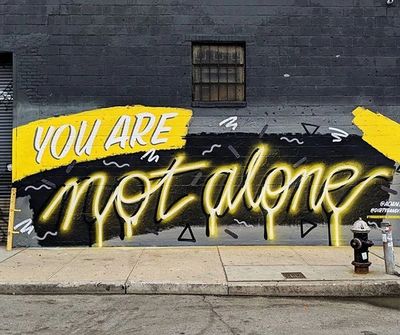
Group Therapy provides a supportive environment where individuals can share experiences, learn from others, and practice new coping skills in a safe and structured setting. Whether focused on grief, burnout, or personal growth, group therapy fosters community, reduces isolation, and reminds participants they are not alone in their healing journey.